 By
Nadia Khalis on
March 11, 2026 at 5:08 am | Updated on March 11, 2026 at 5:08 am
By
Nadia Khalis on
March 11, 2026 at 5:08 am | Updated on March 11, 2026 at 5:08 am 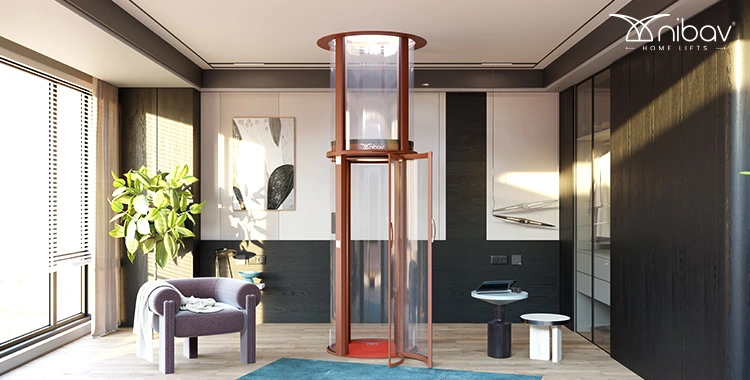
So many new Malaysian neighbourhoods can now boast of grown taller in terms of residential houses than ever before. More families than ever now build homes that will be their homes for many years to come — whether it is an ultra-modern terrace in Selangor, semi-detached houses in Johor or brand-new bungalows in Penang — and to accommodate this growing vertical living there is also significantly higher numbers of tall buildings than ever before in Malaysia.
After you have made the decision to install a lift in your home, you then need to decide if you will go with the air-driven or hydraulic lift — as at first they do appear to be the same, both simply moving passengers between two floors. Beyond this, though, there are extensive differences when examining both types of lift from an operational standpoint as they relate to Malaysian households.
Let’s take a look at some of these differences.
Table of Contents
Operating System of the Lift
Hydraulic systems have been used for years and, in essence, consist of a piston mechanism that is moved vertically upward by the force of an oil-type hydraulic pump. While this is a very efficient means of lifting in a commercial environment, hydraulic lift systems are dependent on mechanical strength to create mechanical pressure and, hence, depend on hydraulic medium to produce the necessary hydraulic pressure.
Another type of lift is called an air-lift elevator or pneumatic elevator. An air-lift elevator system does NOT use hydraulic oil, cables, or a piston-based lift system to lift the cabin; instead, it uses controlled air pressure in the atmosphere and vacuum technology to lift the cabin up and to lower it back down at a controlled rate by using the natural equilibrium of atmospheric pressure acting on and around the elevator lift.
Air-lift elevators are also the same technology that is being used to manufacture every Nibav Malaysia range product, including:
- Nibav Series III Standard
- Nibav Series III Max
- Nibav Series IV Standard
- Nibav Series IV Max
- Nibav Series V Standard
- Nibav Series V Max
The way the engineering systems and lifts are designed will have direct impact upon how easy it will be to install them. Installation costs, safety concerns associated with the installation of the lifts and long-term practicality of using them will also be directly affected.
How Homeowners Can Install Lifts in Their Malaysian Home
Many homeowners will not become aware of the requirements for installing hydraulic lifts until they have already begun the process of building their home.
Hydraulic lifts require, typically:
- A lift shaft has already been constructed
• A bottom pit for the hydraulic cylinder
• A dedicated machine room for the hydraulic equipment
• Structural modifications to the home to support any load that may be applied to the home from the elevator
Therefore, if you are renovating an existing terrace house, the lift installation may become a larger project than you originally intended.
Conversely, air-lift elevators do not need any of those components above, so therefore you will not have to build structural columns of steel or masonry to support an air-lift elevator and there will be no complications related to the lift installation as you are building it.
As standalone verticalism structures, Nibav lifts don’t need machine room or pit; they are simply one solid column.
For Malaysian homeowners installing lifts in an existing house, there is a huge difference with respect to the clean and quick manner of installation and the lack of intrusion.
If you are going to live in your home during the renovation, this is extremely important.
Energy savings for Hybrid Lifts Long-term
Because of the Malaysian climate, hydraulic lifts have been used daily for many years; therefore, like anything else that uses pressurised fluid for operation, each and every time someone uses a hydraulic lift (going up or down), it consumes energy (electricity) to lift and lower the person by using oil pressure to create the lift.
As hydraulic lifts are used daily for many years, the energy consumed to lift and lower all users of the hydraulic lift will only continue to increase.
On the other hand, when you use air lift elevators, while they do require energy to operate with pressurised air on the way down, they do not consume any energy when the vehicle is going down; they operate using a controlled balance of air to provide the filling and air discharge occurring when the lift descends.
From a sustainability perspective, you will want to factor in long-term efficiency (10, 15 and 20 years) and that audit safety devices during loss of power are critical in terms of the safety of your children.
Using air-powered technology is a very effective way to transport a person from one level to another without mechanical equipment or electricity; when there is no power to the building, air pressure allows the unit to lower to the lowest level without any shock or mechanical effort.
The elevator’s descent mechanism has been integrated into the overall engineering of the elevator system.
The family’s safety is of the utmost importance, and they will feel confident that their loved ones can live safely in their homes as they grow older. This is especially important for those who may have elderly grandparents living with them.
Commercial vs Residential Lobby Design
Traditionally, hydraulic elevators are enclosed and look like a commercial elevator. Most of them can be found inside a shaft.
Air-driven elevators (especially panoramic glass ones from Nibav) have a different style. They can be described as minimalist and transparent compared to hydraulic elevators. They can fit into the overall design theme of the house rather than just being an additional commercial elevator that is placed into a home.
In luxury homes in Malaysia, homeowners want aesthetic beauty as much as a functional elevator.
Maintenance and Long-Term Operation
Hydraulic elevators contain oil-based components that form the foundation of their operation. As they age, an elevator owner may have problems with moving fluids, fluid replacement and/or fluid leaks.
Air-driven elevators utilize pneumatic air-operated components, which do not have oil-based components. Furthermore, fewer moving parts mean a reduced likelihood of experiencing complications due to age-related deterioration.
For homeowners who wish to keep their elevators for life, air-driven elevators provide many benefits due to their simplicity.
What type of elevator should Malaysian homeowners consider?
If you are building a commercial space or one with multiple stories, hydraulic elevators are usually a suitable choice.
But for the vast majority of Malaysian homes, especially in terrace, semi-detached and bungalow houses, an air-driven elevator will be the much more sensible choice.
An air-driven elevator has the following benefits:
- The overall structural change/effect to the structure of the home is minimal.
- It uses less energy to operate over its entire lifespan.
- It can be more easily incorporated into the design of the interior decor of the home.
Where there is no electricity, a vacuum elevator is a safe and natural way to get from the lower level to a higher level. They have been specifically designed to be used inside of residences. Therefore, Nibav Malaysia will sell only vacuum based home elevators.
How to Choose the Right Nibav Series?
After deciding that you want an air-powered lift, you should decide which of the three different Nibav series you will want to purchase.
For homes with limited space, Nibav series III is the best option as they are the most compact.
For homes with a higher traffic flow, Nibav series IV is the optimal solution in terms of both the balance of capacity and comfort.
If you’re looking for the largest interior volume and/or capacity as well as the longest term, sustainable solution, you should purchase a Nibav series V (Max) as this series has the largest dimensions and highest capacity compared to the other series.
All three of the Nibav series have the same basic air-powered design principles; the only difference is the size, comfort, and volume — not compromises to the basic design.
Frequently Asked Questions
1. Are air elevators safe for use in residential properties in Malaysia?
Yes! Nibav vacuum elevators are safe for use in residences within Malaysia. Rather than relying on cables and hydraulic oils for operation, Nibav vacuum elevators rely on controlled air pressure to move throughout the elevator. This provides natural descent during power failure due to maintaining natural air balance within the elevator that enhances a sense of safety when using the elevator as it is a residence that has small children / elderly.
2. Do air-powered elevators require a machine room, shaft or pit similar to hydraulic powered elevators?
No! The self-supporting structure of Nibav air powered elevators is one of the main benefits of Nibav vacuum elevators as they do not require any additional shaft, machine room or pit to be installed within an existing multi-family, semi-detached or bungalow styled home in Malaysia.
3. Are hydraulic elevators more powerful than air-powered elevators?
Hydraulic elevators have a substantial lift capability, but they tend to be restricted to commercial buildings (retail and office). Air-powered elevators, however, offer enough lift ability to accommodate a number of homeowners, require less floor area than hydraulic and consume less energy. Air Powered Elevators gives an affordable, practical solution to homeowners using vacuum technology when looking to add a new lift.
4. For long-term energy efficiency which is more energy-efficient; hydraulic vs. air elevator?
In general, air-powered elevators have lower overall energy consumption over time than much the same hydraulic-based system. Most of the electrical energy used by air-powered elevators is during the ascent, while air pressure is used to lower the elevator.
5. Can my air-powered elevator be used multiple times during each day?
Yes. Nibav elevators are designed for residential applications and have been used multiple times per day by many generations of families. For example, the Series IV and V would be appropriate for residential applications that use the elevator regularly – at least once a day.
6. Which Series of Nibav Vacuum Elevators is most appropriate for wheelchair users?
The Max Versions of the Nibav elevators are the best for those with wheelchair accessibility. The Series IV Max and Series V Max offer the largest interior dimensions and the highest lifting capacity of any Nibav products making them a great option for wheelchair users or for those wanting to add long-term accessibility to their home.
7. Are air elevators noisy when in operation?
No! Modern vacuum elevators operate very quietly and smoothly and operate in the same noise range as other household devices. Many find the operation of the elevator sufficient and comfortable as part of their daily lives.