 By
Nadia Khalis on
March 20, 2026 at 6:54 am | Updated on March 20, 2026 at 6:54 am
By
Nadia Khalis on
March 20, 2026 at 6:54 am | Updated on March 20, 2026 at 6:54 am 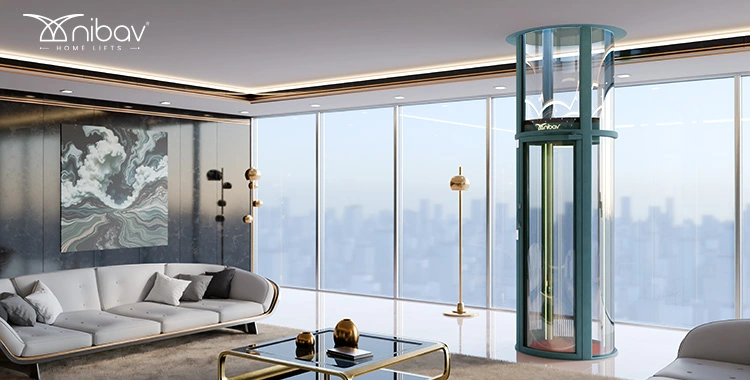
In Malaysia, the number of home elevators has been steadily increasing as homeowners look for smart ways to enhance accessibility, convenience and long-term property value with new construction. When you combine an array of residential elevator suppliers and technologies with engineering standards, safety systems, energy efficiency, installation requirements and cost of ownership, the final decision on which residential lift to select can be somewhat overwhelming. This blog will describe key differentiating factors for what makes a high-quality residential elevator manufacturer in Malaysia, specifically highlighting why Nibav is a leading option for residential mobility today.
Table of Contents
- Types of Residential Elevators:-
- Pneumatic Vacuum Elevators:
- Machine-Room-Less Elevators:
- Installation Requirements:
- Operational Costs and Energy Efficiency
- What to Expect From Residential Elevator Pricing in Malaysia?
- Nibav Home Lifts – Malaysia Pricing (MYR)
- What to Look for in a Technology-Driven Elevator Supplier?
- Selecting The Optimal Solution In Malaysia
- Conclusion
- Frequently Asked Questions (FAQs)
Types of Residential Elevators:-
Modern residential elevators employ different technologies that have varying levels of functionality, safety and efficiency:
Pneumatic Vacuum Elevators:
Pneumatic systems are the most contemporary systems available for residential applications. They use controlled air pressure differentials to move the elevator cabin both up and down;
- Compact design
- Eco-friendly
- Structurally flexible;
- Minimal installation effort (e.g. No heavy counterweight & no pit).
Because Pneumatic elevators move using only air pressure and gravity, no heavy counterweights or separate machine rooms are required for vertical travel.
Machine-Room-Less Elevators:
These types of elevators utilise an efficient, compact drive system with no separate machine room. Unfortunately, this option generally requires a reinforced elevator shaft and generally presents a more complicated application than pneumatic-based systems. “Pneumatic systems – like Nibav’s – have a great balance of performance, simplicity & efficiency in residential properties. Based on how you’ve selected the best elevator solutions for your home, safety is the highest priority. When looking at residential elevator technologies, many providers will build in multiple layers of safety into both their designs & operation of their systems. Core safety elements provide protected movement infrastructure with the following:
- Automatic braking systems for unexpected movement
- Pressure-regulated descent that provides controlled downward travel
- Interlock door mechanisms that keep doors from opening while the elevator is moving
- Emergency stop button both in your cabin and in the landing/entrance areas to your cabin
- The battery backup system gives you peace of mind that during power outages you will still have the ability to safely return to the origin station.
The pneumatic systems on the market, like Nibav, have fewer mechanical components compared to hydraulic and traction-based elevators, therefore reducing the number of potential failure points. Therefore, the design of Nibav residential elevators incorporates a comprehensive suite of safety protocols that meet global safety standards, making them a safe, everyday-use choice in the home of any Malaysian!
Installation Requirements:
Most of the traditional elevator technologies have significant structural construction requirements associated with them, i.e.,
- Deep pits
- Reinforced elevator shafts
- An elevator machine room
- Three-phase electrical upgrade
All these components contribute to increased cost and time of installation.
Conversely, the modern residential elevator (pneumatic systems) systems on the market today offer significantly more flexible options compared to their traditional counterparts and thus present a significantly less invasive installation, i.e.,
The pneumatic elevator lift systems manufactured by Nibav are designed to utilise a minimum of structural disruption to the existing building and therefore offer an ideal vertical mobility option for existing homes, duplexes, landed properties and villas/single-family dwellings throughout Malaysia.
Operational Costs and Energy Efficiency
Energy Efficiency has a direct correlation to your long-term operating costs, thus affecting your overall experience with a specific vertical mobility system. Standard hydraulic lifts required continuous power for the pumps and to maintain the system. A traction lift can use large motors, which means a higher level of energy consumption and periodic maintenance.
The opposite can be said for pneumatic:
- Use power only when travelling up.
- Utilise gravity to come down.
- Minimal power is consumed when not in use.
- Less reliance on mechanical infrastructure.
Due to having less mechanical complexity than traditional systems and their generally lower electrical requirement, vacuum home lifts such as those by Nibav have been shown to have the lowest long-term operating costs compared to most common designs.
What to Expect From Residential Elevator Pricing in Malaysia?
Pricing can vary based on factors such as model specifications, travel height, capacity, finish, or installation conditions; however, homeowners in Malaysia should expect a general base price of approximately (indicative only):
Nibav Home Lifts – Malaysia Pricing (MYR)
| Model | G+1 (MYR) | G+2 (MYR) | G+3 (MYR) |
| Series III | 69,900 | 84,900 | 99,900 |
| Series III Max | 99,900 | 1,14,900 | 1,29,900 |
| Series IV | 1,09,900 | 1,22,900 | 1,36,900 |
| Series IV Max | 1,36,900 | 1,52,900 | 1,67,900 |
| Series V | 1,19,900 | 1,34,900 | 1,49,900 |
| Series V Max | 1,49,900 | 1,44,900 | 1,79,900 |
The above price ranges are indicative of the type of equipment, simple installation, and basic safety, and all pricing may vary based on customisation, height of travel, finish, and extra civil work.
Nibav’s pneumatic home elevators would typically be competitive with other energy-saving and structurally flexible residential systems, providing an attractive blend of technology, safety, and ease of installation.
What to Look for in a Technology-Driven Elevator Supplier?
The top residential elevator suppliers within Malaysia believe that they create separation from their competitors by providing:
- Engineering Transparency: Clear specifications with reference to technical stock (e.g., load capacity), speed of operation, structural requirements and electrical compatibility.
- Compliance And Safety: Products should comply with national & international safety standards, having integrated multi-layer safety systems.
- Installation Expertise: Using installation methods that greatly reduce disruption to your home while providing on-site professional support.
- Service And Maintenance: Through scheduled preventative maintenance plans, inspections, spare parts availability and responsive support.
- Innovation And Future Proofing: Systems designed for modern homes with energy-efficient drives, smart controls and space-saving designs.
Nibav is a specialist residential elevator manufacturer focusing on pneumatic lift technology that provides safety, efficiency and structural versatility specifically for the Malaysian market.
Selecting The Optimal Solution In Malaysia
Factors to evaluate when selecting a product in Malaysia will include:
– Drive mechanism and energy usage
– Integration of safety and backup systems
– Impact on structure and installation requirements
– Long-term maintenance and support
– Supplier experience with residential applications
While there are many manufacturers of elevators in Malaysia, the best manufacturers of residential elevators position themselves through proven engineering plus the benefits for the customer as opposed to through marketing claims.
Conclusion
Residential elevators are a significant feature of modern Malaysian homes, increasing access to all levels of a home, enhancing comfort, and increasing property value. As well, the type of technology used will greatly affect the energy used, as well as the safety and structural impact.
Manufacturers that use advanced levels of safety, energy efficiency, and ease of installation within their products will differentiate themselves within the market. An example is Nibav and their pneumatic home lift technology.
By understanding the true differences in technology, safety integration, and cost, homeowners can make better decisions when selecting vertical mobility systems to achieve greater long-term value.
Frequently Asked Questions (FAQs)
- What are the usual operating speeds of residential elevators?
Most residential elevators like Nibav models operate between 0.15 m/s and 0.30 m/s, with both speed and safety well balanced.
- Is it necessary to have a deep pit or machine room to install a residential elevator?
Most modern elevator systems, especially pneumatic residential elevators, do not need any pits or machine rooms.
- What is the amount of energy consumed by a vacuum elevator?
The majority of energy usage in a vacuum elevator occurs during the upward travel process, while the elevator is able to use gravity to descend, conserving energy.
- Are pneumatic elevators safe?
Yes, pneumatic elevators include multiple levels of safety and have very few moving mechanical components; therefore, they have very low potential for failure.
- What are the main influences on prices for residential elevators in Malaysia?
The price of a residential elevator is based on many factors, including technology type, rated travel height (floor-to-floor), cabin size (capacity), finish quality, and what kind of structure it needs to be installed in.