 By
Nadia Khalis on
February 23, 2026 at 5:20 am | Updated on February 26, 2026 at 5:19 am
By
Nadia Khalis on
February 23, 2026 at 5:20 am | Updated on February 26, 2026 at 5:19 am 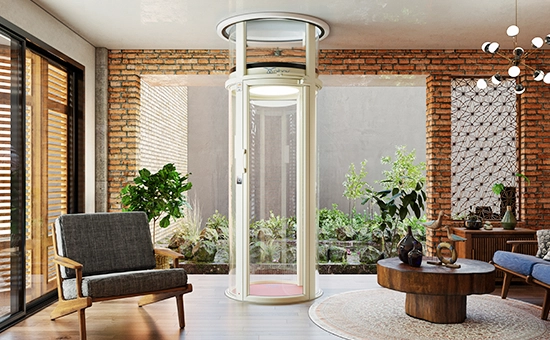
The features used in emergencies with today’s home elevator systems are extremely important, as they help keep people safe when there are unexpected occurrences, such as power outages or system failures. By knowing the safety features of an elevator, a homeowner can make a well-informed decision regarding an elevator that offers both protection and comfort for everyday use.
Table of Contents
- What Are Emergency Systems in Home Elevators?
- Why Are Emergency Features Important in Home Elevators?
- How Do Emergency Systems Work in Nibav Home Elevators?
- Who Benefits Most from Emergency Features in Home Elevators?
- How Emergency Safety Is Integrated into Nibav Home Elevator Models
- Where Are Emergency Safety Standards Applied in Home Elevators?
- When should I consider including emergency features in a residential elevator system?
- What Value Do Emergency Features Add to a Home Elevator?
- Conclusion: The Importance of Emergency Features in Home Elevators
What Are Emergency Systems in Home Elevators?
Built-in emergency systems are essential safety features incorporated into home elevators to protect users from potential injury or harm during instances that may not be functioning normally, such as electrical outages or devices not working as intended. These emergency systems automatically operate in the background and do not require users to take action.
The pneumatic technology used in Nibav Malaysia home elevators reduces the use of various mechanical components found in traditional elevators (e.g., ropes, hydraulic fluid, counterweights) and allows the elevator to safely continue operation despite the loss of the electrical supply. The emergency features of the Nibav Malaysia home elevators provide safe exit options for the user in the event of an emergency utilising automatic descent, door interlocks, pressure monitoring and emergency cabin lighting.
All of these safety systems are extremely important for individuals who regularly depend on using elevators due to age, illness or physical disabilities.
Why Are Emergency Features Important in Home Elevators?
Emergency features for residential elevators are extremely important due to the nature of where they are used. Many people own their elevators, and there may not be an elevator mechanic on site when a problem occurs; therefore, elevators in the home must be designed to protect the occupants without relying on outside support.
When there is a power outage, the typical elevator will stop between the floor landings. Nibav Home Elevators use the principle of gravity and air pressure release to let the elevator cabin down to the nearest floor and then open the doors automatically. Therefore, someone using the elevator cannot be trapped inside, even if the power goes out and they are not able to get out.
This type of system allows for greater safety and comfort for those who use a residential elevator. Knowing that the elevator will act in a safe manner during emergencies instills confidence and peace of mind in homeowners and their families.
How Do Emergency Systems Work in Nibav Home Elevators?
Using pneumatic vacuum technology, Nibav home elevators offer a solution to the common problem of heavy mechanical components that usually need a backup electrical supply. The cabin is raised by the lift through the use of air pressure, which, when released in a controlled fashion, will allow for a smooth descent.
If the power goes out on your lift, the lift does not just stop; it will go into an emergency descent cycle and will slowly lower itself to the nearest floor. After arriving at the floor, the door will automatically unlock and open to allow passengers to safely exit.
Additionally, Nibav elevators provide door interlocks to prevent the lift from moving until the doors are properly shut. The lift contains pressure sensors to continually monitor its speed and stability, as well as a method of controlled levelling when it comes to aligning it with each floor so that it is safe to enter or exit.
Finally, all of the lifts’ emergency systems run automatically without the need of user assistance.
Who Benefits Most from Emergency Features in Home Elevators?
Families living in multi-storey houses benefit as well since they frequently use their elevators many times throughout the day (the more often you ride, the less chance you have of being stranded because of an accident). Homeowners looking to enable themselves to age in place, or to maintain their independence as they grow older, will have peace of mind knowing that they have built-in emergency features into the elevator they installed.
How Emergency Safety Is Integrated into Nibav Home Elevator Models
Nibav Malaysia offers six home elevator models with built-in emergency safety systems.
The Series III Standard (210 kg) and Series III Max (240 kg) use pneumatic operation with automatic emergency descent and door locking safety.
The Series IV Standard (210 kg) adds a taller cabin for comfort, while the Series IV Max (240 kg) provides a wider cabin, reinforced structure, and controlled speed.
The Series V Standard (210 kg) features improved cabin strength and visibility, and the Series V Max (240 kg) offers the most spacious design with advanced safety engineering.
All models operate without pits, shafts, or machine rooms, reducing structural risk and simplifying emergency use.
Where Are Emergency Safety Standards Applied in Home Elevators?
Nibav home elevators are designed in accordance with European engineering and safety practices. The systems are TÜV NORD certified and manufactured in ISO 9001:2015 certified facilities.
The compliance of these standards assures that the emergency systems are subjected to testing for stability/load handling power failures. Therefore, Nibav Elevators can be used in residential buildings throughout Malaysia, both in cities and the suburbs.
A certified system will guarantee you have daily reliability in how it operates and predictability in how it reacts in case of an emergency.
When should I consider including emergency features in a residential elevator system?
Emergency features should be considered when you are purchasing a residential elevator regardless of whether or not you plan on using the elevator daily or if you will have multiple floors in your home.
Homeowners that plan to use a home elevator for elderly relatives, need an elevator installed for long-term use, or will have frequent household usage should ensure that they have investigated emergency system features. Having emergency systems built into an elevator reduces panic from the uncertainty of how to retrieve someone trapped inside an elevator.
What Value Do Emergency Features Add to a Home Elevator?
Emergency features significantly increase the long-term value of a home elevator. They improve reliability, safety, and daily usability while reducing concerns about power failure or system faults.
Future buyers of homes will often find a home elevator with an approved emergency system to be attractive. The pneumatic elevator has fewer mechanical components than a conventional elevator. It allows for less hidden mechanical wear and tear; therefore, there is less anxiety about maintenance.
In addition to creating value for your property by making it more accessible, the elevated safety features allow you to safely navigate your home no matter your age.
Conclusion: The Importance of Emergency Features in Home Elevators
Emergency features are essential for safe and reliable home elevator operation. They protect users during power failures and system faults while supporting smooth daily use.
Nibav Malaysia home elevators are equipped with pneumatic technology, certified safety systems, and automatic emergency descent to ensure users are never trapped inside. Their compact and wheelchair-accessible designs provide dependable solutions for Malaysian homes.
Understanding how emergency features work allows homeowners to make informed decisions and choose elevators that prioritise safety, comfort, usability, and long-term value.
- Will Nibav Home Elevators function during loss of power?
Yes, Nibav home elevators utilise automatic emergency descent to safely return the elevator cabin to the nearest floor automatically. Once the elevator cabin arrives at that floor, the doors will open automatically.
- Do all Nibav elevators come with an emergency system or feature?
Yes, all Nibav home elevators include an emergency safety system or feature as a standard feature of that elevator.
- Are Nibav home elevators acceptable for elderly or disabled individuals in wheelchairs?
Yes, Nibav home elevators are designed to safely enable the elderly or disabled in wheelchairs by providing the following supportive features: smooth operation, door interlocks, and stable levelling.
- Do Nibav Home Elevators require a separate machine room for the emergency feature?
No, Nibav home elevators do not need an emergency machine room (including the need for a machine room and a separate emergency pit) for the emergency feature. Therefore, the emergency operation process is simplified by eliminating the need for a dedicated machine room, reducing the risk of structural failure.
- Does having emergency features make a home elevator more valuable?
Yes, features that enhance the safety of a home elevator provide greater confidence in the operation of that elevator, improve the reliability of that elevator, and enhance the long-term value and desirability of that home elevator.