 By
Nadia Khalis on
February 18, 2026 at 10:18 am | Updated on February 18, 2026 at 10:18 am
By
Nadia Khalis on
February 18, 2026 at 10:18 am | Updated on February 18, 2026 at 10:18 am 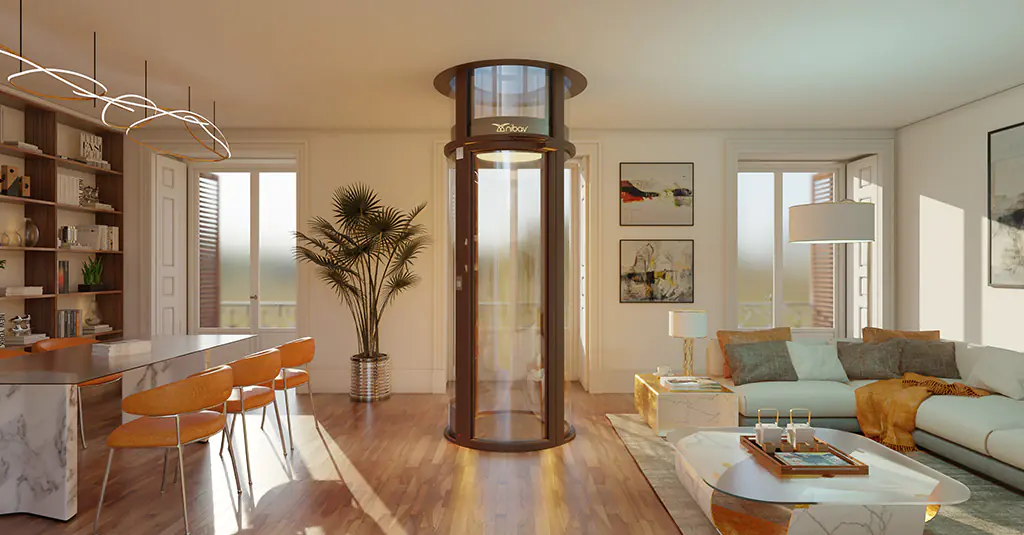
As modern residences grow vertically, installing a home elevator is no longer considered a luxury upgrade – it is a practical mobility solution. Across urban and suburban developments, home elevators in Malaysia are becoming increasingly common in double- and triple-storey homes.
However, while convenience and accessibility drive demand, one factor should always lead the decision-making process: safety.
Understanding home elevator safety standards is essential before choosing a system. A residential lift operates daily inside your private living space – used by children, elderly parents, and guests. The difference between a reliable system and a risky installation often lies in certification, engineering discipline, and brand credibility.
This is where Nibav Malaysia, backed by ISO 9001:2015 Certification and TÜV NORD Certification, reinforces structured safety and manufacturing integrity.
Table of Contents
- What Are Home Elevator Safety Standards in Malaysia?
- Why Are Home Elevator Safety Standards Important for Malaysian Homes?
- Who Ensures the Safety of a Home Elevator?
- Where Does Safety Begin in a Home Elevator System?
- When Do Safety Features Matter the Most?
- How Does a Certified Home Elevator Compare to a Non-Certified System?
- How Does Nibav Malaysia Maintain Safety Over Time?
- Final Thoughts: Safety Should Be the Standard, Not the Upgrade
- FAQ
What Are Home Elevator Safety Standards in Malaysia?
Home elevator safety standards refer to the engineering, manufacturing, and operational requirements that ensure a lift performs safely within a residential setting.
For a home elevator, these standards govern:
- Structural integrity
- Door locking mechanisms
- Controlled ascent and descent
- Overload detection
- Emergency handling
- Long-term operational durability
Unlike commercial lifts, residential elevators must operate seamlessly within family environments. That makes safety systems even more critical.
At Nibav Malaysia, safety is embedded at the manufacturing level under ISO 9001:2015 – ensuring documented quality checks, consistent engineering processes, and systematic performance validation.
Why Are Home Elevator Safety Standards Important for Malaysian Homes?
Malaysia’s climate and housing design create specific safety considerations.
High humidity, multi-generational households, and frequent daily use require that home elevators in Malaysia meet structured quality benchmarks.
Without strong home elevator safety standards, homeowners may encounter:
- Inconsistent floor leveling
- Mechanical wear due to environmental exposure
- Poor overload management
- Irregular maintenance practices
For elderly users or young children, even small inconsistencies can create safety risks.
This is why certification-backed systems matter.
Who Ensures the Safety of a Home Elevator?
Safety begins with the manufacturer.
ISO 9001:2015 Certified Quality Management System
Nibav operates under ISO 9001:2015 – an internationally recognised quality framework that ensures:
- Standardised production processes
- Controlled assembly procedures
- Documented safety testing
- Component traceability
- Continuous improvement
This certification ensures that every home elevator is built under systematic quality control — not ad-hoc production.
TÜV NORD Certified Engineering Validation
TÜV NORD provides independent third-party validation of mechanical and structural systems. Being TÜV NORD Certified means:
- Engineering integrity is externally verified
- Performance consistency is assessed
- Structural reliability is independently reviewed
For homeowners evaluating home elevators in Malaysia, these certifications provide confidence beyond marketing claims.
Where Does Safety Begin in a Home Elevator System?
Safety does not start at installation – it begins at design.
Nibav’s air-driven pneumatic engineering simplifies traditional lift mechanics. Compared to cable-heavy systems, pneumatic lifts often involve:
- Fewer mechanical components
- Reduced vibration
- Lower mechanical stress
- Streamlined structural design
From a safety perspective, reduced mechanical complexity can improve long-term reliability.
This design philosophy supports durable home elevator safety standards, especially in tropical environments like Malaysia.
When Do Safety Features Matter the Most?
Safety systems are most critical during unexpected scenarios.
During Power Interruptions
A properly engineered home elevator includes automatic descent, allowing passengers to exit safely without panic.
During Overload Conditions
Smart overload sensors prevent operation beyond capacity, protecting both users and internal systems.
During Daily Use
Precision landing ensures level alignment with floors, reducing trip hazards.
During Child Interaction
Child safety switches prevent unintended operation.
Strong home elevator safety standards ensure these protections operate quietly in the background — every day.
How Does a Certified Home Elevator Compare to a Non-Certified System?
Below is a practical comparison for homeowners evaluating options among home elevators in Malaysia.
| Safety Factor | Certified System (ISO 9001:2015 & TÜV NORD) | Non-Certified System |
| Manufacturing Control | Structured quality management | No verified quality system |
| Independent Validation | Third-party TÜV NORD certified | No external validation |
| Emergency Descent | Controlled automatic return | May rely on manual intervention |
| Overload Protection | Smart sensor integration | Limited or absent protection |
| Precision Landing | Accurate floor leveling | Risk of uneven stops |
| Maintenance Protocol | Scheduled, documented servicing | Inconsistent maintenance |
| Long-Term Reliability | Process-driven consistency | Variable durability |
This distinction directly affects safety, performance, and long-term value.
How Does Nibav Malaysia Maintain Safety Over Time?
Safety is not a one-time achievement — it is an ongoing commitment.
Under ISO 9001:2015 processes, Nibav Malaysia implements:
- Scheduled inspection protocols
- Component performance monitoring
- Preventive maintenance systems
- Operational diagnostics
TÜV NORD certification reinforces engineering integrity, ensuring that structural and mechanical systems maintain high standards over time.
For homeowners, this translates to confidence in long-term performance.
Final Thoughts: Safety Should Be the Standard, Not the Upgrade
As demand for home elevators in Malaysia grows, safety must remain the foundation of every decision.
A reliable home elevator should operate smoothly and quietly – but behind that simplicity must be structured engineering, disciplined manufacturing, and independently certified validation.
With ISO 9001:2015 Certification and TÜV NORD Certification, Nibav Malaysia reinforces its commitment to maintaining strong and consistent home elevator safety standards.
Because when it comes to your home, safety is never an optional feature.
It is the foundation of trust.
FAQ
- Are home elevators in Malaysia safe for residential use?
Yes, when built under structured home elevator safety standards and certified by ISO 9001:2015 and TÜV NORD for reliability assurance.
- What certifications should I look for in a home elevator?
Homeowners should prioritise ISO 9001:2015 Certification and TÜV NORD Certification to ensure manufacturing quality, engineering discipline, and independent safety validation standards.
- What happens if there is a power outage?
A properly engineered home elevator automatically descends safely to a landing level, allowing passengers to exit calmly during unexpected power interruptions.
- Are pneumatic home elevators safe?
Yes, pneumatic home elevators use simplified air-driven systems that reduce mechanical complexity, vibration, and wear when engineered under certified quality management frameworks.
- How often should a home elevator be serviced?
Home elevators should undergo annual or manufacturer-recommended inspections to maintain optimal performance, safety compliance, and long-term reliability within Malaysian residential environments.
- Are home elevators safe for elderly family members?
Yes, when equipped with overload protection, precision landing, emergency alert systems, and child safety switches for secure daily residential operation.
- How do I choose among home elevators in Malaysia?
Choose certified home elevators in Malaysia that demonstrate engineering discipline, structured maintenance support, safety validation, and strong brand credibility.