 By
Nadia Khalis on
March 5, 2026 at 1:12 pm | Updated on March 5, 2026 at 1:12 pm
By
Nadia Khalis on
March 5, 2026 at 1:12 pm | Updated on March 5, 2026 at 1:12 pm 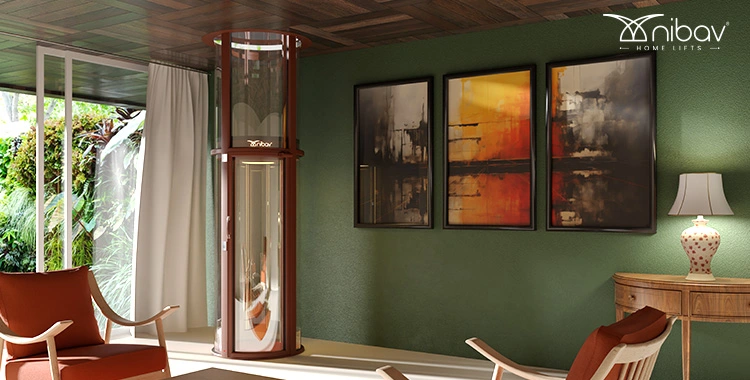
Home design for 2026 includes vertical mobility as a part of architectural planning, as opposed to simply addressing furniture and décor. Elevators have transitioned from hidden utilities to indicators of a homeowner’s upgraded lifestyle and long-term investment strategy.
Designers & architects have noted the impact of accessibility, luxury & tech on the homeowner experience. They are creating or adapting the design of interiors and lighting to help meet new trends in the residential market, such as Nibav’s latest products.
Table of Contents
- Are Glass & Panoramic Elevators Becoming the New Norm?
- Are Compact Elevators Redefining Space Utilisation?
- Is Smart Technology Changing the Way We Use Home Elevators?
- Are Home Elevators Becoming Aesthetic Design Features?
- How Is Accessibility Influencing Residential Elevator Demand?
- How Are Energy Efficiency and Sustainability Influencing Decisions?
- Are Minimalistic Controls Replacing Traditional Buttons?
- Do Elevators Increase Property Value?
- How Do Elevators Impact Interior Design?
- Frequently Asked Questions
Are Glass & Panoramic Elevators Becoming the New Norm?
Another trend currently found in the modern-day home elevator is to switch from large, enclosed systems in different materials to more see-through and/or see-around type systems.
These days homeowners tend to prefer open and visually connected spaces. Glass home elevators increase visual connectivity and provide homeowners with a greater sense of openness in their homes by allowing sightlines through the elevator shaft across floors and by creating the illusion of a more spacious interior, as the entirety of the interior space appears to be connected. Moreover, glass elevators also complement double-height ceilings and open staircases; however, they do not interrupt sightlines across floors.
The glass also allows natural light to filter through several floors, therefore enhancing the connection between mobility and minimalist architecture. Nibav’s cylindrical panoramic elevators coincide perfectly with this trend, as their 360º transparent design creates a lightweight visual presence while providing structural integrity and safety. Moreover, the panoramic cabin serves as a solution for mobility while also serving as an architectural focal point in the home.
Are Compact Elevators Redefining Space Utilisation?
Space efficiency is still one of the most significant influences on modern home elevator trends within the home elevator market. Pneumatic systems simplify the need for deep pit construction, shafts, or machine rooms, thus reducing the civil construction needed and providing more options for installation.
More homeowners than ever are now incorporating elevators into places such as their staircase voids, living room corners, and other areas where space is typically wasted. Nibav represents this change with its pitless and shaftless elevator designs. A self-supporting structure allows these units to be installed with minimal structural alteration and still provide for a safe and comfortable ride.
Because of this innovative design approach, elevators are being built into a wider variety of home types without reducing the cumulative efficiency of the overall house plan. Elevators are now found in many more homes than previously possible.
Is Smart Technology Changing the Way We Use Home Elevators?
Smart technology is impacting home elevator trends. Elevators use today’s latest technologies, such as touchscreen panels, intelligent diagnostics, energy-efficient drive systems, and automatic rescue systems. In the near future, many homeowners will be able to monitor their elevator’s operational performance and also receive notification for needed repairs from any of the connected devices.
These changes are part of the broader trend toward home automation. As with other types of residential systems’ devices such as lighting, heating, ventilation, air conditioning, and security, elevators are following the path of interconnectivity.
Additionally, Nibav incorporates several safety features, such as automatic emergency lowering systems, as well as enhanced operational efficiency through engineered pneumatic drive technology. As with other building systems, Nibav’s elevators have been designed to function as integrated components of a homeowner’s smart ecosystem, not just as a means of transportation.
Are Home Elevators Becoming Aesthetic Design Features?
A strong shift toward aesthetic design has also been a significant alteration to residential elevator trends. Currently, the design elements of elevator cabins contain:
- Different types of designer light concepts
- Various types of metallic and matte finishes
- Glass cabins with little to no frame
- Light that provides soft ambient illumination
In a growing number of buildings today, elevators are increasingly viewed as functional architectural features and not just mechanical installations. Interior designers work closely with elevator manufacturers to develop cabin finishes that fit in with the flooring, wall texture, and lighting theme of the interior space.
These principles of design are displayed in the panoramic cabin designs developed by Nibav. The round, cylindrical nature of the glass structure creates an aesthetic that looks good and meets or exceeds structural engineering requirements. In luxury homes, elevators are frequently placed as a focal point of the home and provide both a useful functional item and a cohesive interior design statement.
How Is Accessibility Influencing Residential Elevator Demand?
Accessibility is a leading influencer driving the use of elevators within the residential marketplace. As a result of increasing numbers of multi-generational households, home buyers are now looking at long-term usability issues when purchasing a home. Elevators allow elderly family members to access all floors in their homes independently, thus lowering the potential accident risk associated with using stairs.
Because elevators reduce the physical stress and fall risks associated with stairs, elevators have transitioned from just being an expensive luxury item to being a necessary lifestyle item. Installing an elevator in your home during the construction of the home will allow you to avoid expensive structural modifications in the future.
Nibav’s pneumatic systems are very suitable for providing residential accessibility because they require minimal structural modifications while providing smooth, easy, and safe vertical access.
How Are Energy Efficiency and Sustainability Influencing Decisions?
As sustainable architecture becomes a fundamental consideration in all aspects of contemporary architectural design, elevators are now being designed to comply with similar sustainable design principles. Key factors to consider are the following:
- Low energy consumption
- Reduced noise
- Efficient standby energy usage
Some of the newer systems use less energy during the ascent of a lift while decreasing the overall electricity used. Air-driven pneumatic systems, such as Nibav, use air-driven lift technology, so they are more energy efficient and operate quietly.
Once eco-friendly designs become the standard, lift purchasing decisions by home buyers will increasingly drive the market.
Are Minimalistic Controls Replacing Traditional Buttons?
Minimalism is a continuous trend in interiors, and this is impacting lifts. With the use of mounted panels, touch screen interfaces and intuitive displays, lift manufacturers are moving away from traditional, mechanical push-button controls in their lifts. To enhance the comfort of users, smooth motion engineering improves the beginning and ending of lifts.
Today’s trends for modern lifts will fit in seamlessly with the clean lines and seamless interfaces typically found in smart home solutions. Nibav has implemented refined control systems and streamlined lift cabins into their systems as they move to enhance the aesthetics in the market today.
Do Elevators Increase Property Value?
In competitive real estate markets, homes with a lift will capture more and/or wider buyer interest due to accessibility, convenience and luxury appeal.
Elevators are increasingly being viewed as a long-term investment rather than an expense, as they can future-proof the property.
How Do Elevators Impact Interior Design?
Current trends in home lifts represent a more significant transformation in the design and architectural landscape. Lifts are now planned from the conception of the home, when items such as lighting, flow within the space and the overall architectural design will be considered. As opposed to being hidden away, the position of a home lift has become intentional as part of the overall design concept of the property.
The future of residential architecture will see intelligent vertical living, where the movement from one floor to another will be smooth and seamless. Companies such as Nibav are supporting this with compact lift systems, panoramic designs, advanced safe systems, and energy-efficient pneumatic design specifically for residential living.
Frequently Asked Questions
1. What types of home elevators will be most popular in 2026?
Panoramic glass pneumatic elevators with smart technology and compact installations will be popular. Energy-efficient elevators will be valued for their efficient operation and appearance.
2. Can you install an elevator in a small-sized home?
Yes! There are pneumatic elevators that will fit within a smaller-sized residential home, adapting the design so there will not be structural modifications associated with its installation.
3. Do modern home elevators consume excessive electricity?
Modern elevators like Nibav models are designed to be very energy efficient, as they consume power only when going up.
4. Will a modern elevator fit with the style of my home?
Modern elevators have a number of design features—finishes, lights, etc.—which can be customised to match the style of your home, regardless of whether it is contemporary, traditional or high-end.
5. Will installing an elevator improve the resale value of my home?
Yes, because elevators allow a home to be more accessible and thereby have traits of interest to future purchasers, elevators can improve the value of a home and the desirability of a home after it has been equipped with one.