 By
Nadia Khalis on
February 23, 2026 at 5:05 am | Updated on February 23, 2026 at 5:05 am
By
Nadia Khalis on
February 23, 2026 at 5:05 am | Updated on February 23, 2026 at 5:05 am 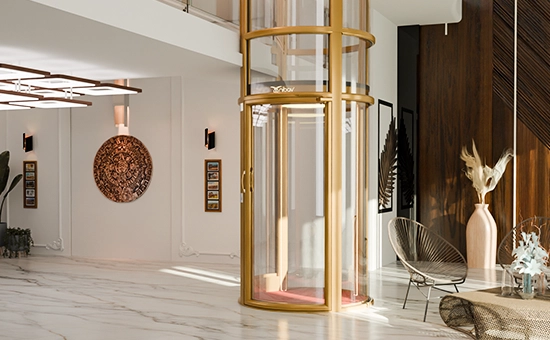
A home elevator purchase represents a long-lasting investment affecting your overall well-being, safety and convenience in the home, accessibility of your residence for everyone, and value of your property. Homeowners must ask questions to fully comprehend Elevators Technology and Specifications, and ensure the elevator selected now and moving forward will be suitable for their present and future requirements.
Table of Contents
- Why is asking the right questions important when selecting a home elevator company?
- What types of technology do home elevator companies offer?
- How safe are home elevators for daily residential use?
- Are there international safety and quality requirements for home elevators?
- What physical space is needed for a home elevator?
- Can a home elevator be retrofitted into an existing house?
- Which types of home elevators are available, and what are their specifications?
- How energy efficient are home elevators?
- What happens during a power outage?
- How much maintenance do home elevators require?
- How can installing a home elevator raise property value?
- How long does it take to install a Nibav pneumatic elevator? What is the support after installation?
- What should I expect as a user after installation?
- How comfortable is the elevator for elderly family members?
- Is the elevator easy to use for those who have not used one before?
- How will the elevator fit with my home’s interior decor?
- Conclusion: why it is important to ask the right questions
Why is asking the right questions important when selecting a home elevator company?
Asking the right questions when selecting a home elevator company can make a difference when making an investment into a home. An elevator is part of the structure. If you ask the right questions, it will help you determine whether they will provide you with a safe and efficient product based on their product specifications and safety certifications, as well as long-term maintenance support, as opposed to just providing a temporary solution.
What types of technology do home elevator companies offer?
Most home elevators use hydraulic, traction (electric), or pneumatic (air) systems. Today, many manufacturers specialise in pneumatic technology.
Nibav Malaysia produces pneumatic home elevators powered by compressed air instead of cables or hydraulic oil. These elevators do not require a machine room, shaft, or pit, providing smooth and predictable travel for daily residential use.
How safe are home elevators for daily residential use?
Safety is associated with engineering and the quality of manufacturing. Features, such as door interlocks, pressure sensors, controlled levelling and automatic emergency descent, make Nibav home elevators highly safe.
Utilising Pneumatic Technology reduces the number of mechanical lifting parts, which results in less wear and is therefore able to provide consistent reliability and performance in day-to-day operations.
Are there international safety and quality requirements for home elevators?
A reliable company should explain its certifications and compliance standards.
Nibav elevators follow European engineering practices and are produced using TÜV NORD-certified lift systems in ISO 9001:2015 certified manufacturing facilities, ensuring strict quality control and long-term residential safety.
What physical space is needed for a home elevator?
Space requirements depend on the model.
The Series III Standard needs about 1,010 mm (40 inches) of clear space for a 210 kg load capacity. The Series III Max requires 1,430 for its wider 240 kg cabin.
The Series IV Standard needs about 1,000 mm (39.3 inches) of space for a 210 kg load. The Series IV Max requires around 1,430 mm (56 inches) of clear floor space for a 240 kg capacity.
The Series V Standard supports the same weight and requires the same space as Series IV but adds more luxury and comfort.
Can a home elevator be retrofitted into an existing house?
Not all elevators can be retrofitted. Nibav home elevators are designed for both new and existing homes.
Because they are self-supporting, they can be installed in living areas, stair voids, or corners with minimal civil work, reducing installation time.
Which types of home elevators are available, and what are their specifications?
The Standard Series III supports weight capacities of up to 210 kilograms (kg) and up to four levels of travel (G+3). The standard cabin can be viewed through the entire fully adaptable panoramic view. With a new method of maximising weight capacity by increasing the width of the cabin, the Max series has increased its load capacity to 240 kg with wider cabins, allowing easy access for users utilising a wheelchair.
The IV Series Standard supports 210 kg and has additional height constructed to carry a greater height of 13,500 mm maximum. The IV Series Max has an increased weight capacity of 240 kg and requires a clear area of 1,430 mm (56 inches) from the walls to provide an easy transition for users utilising a wheelchair.
The V series standard has enhanced strength and better visibility through the internal cabin with a max weight capacity of 210kg. The V series Max offers the greatest and the largest maximum weight of 240kg, utilising advanced design methods using leading engineering methods and modern top-quality safety systems. It also features state-of-the-art high-performance glass and a premium panoramic design that is tailored for contemporary domestic use.
How energy efficient are home elevators?
Energy efficiency is important for daily use.
Nibav pneumatic elevators use electricity only for upward travel and gravity for descent, reducing overall power consumption compared to conventional elevators. This makes them suitable for homeowners focused on energy savings.
What happens during a power outage?
All Nibav home elevators include automatic emergency descent.
During a power failure, the cabin gently lowers to the nearest floor and opens its doors automatically. This ensures users are never trapped inside, which is especially important for elderly individuals, children, and those with medical needs.
How much maintenance do home elevators require?
Maintenance depends on elevator technology.
Pneumatic home elevators require less maintenance because they do not use oil, cables, or counterweights. Routine inspections and servicing are generally sufficient, reducing long-term maintenance costs and the risk of hidden mechanical failures.
How can installing a home elevator raise property value?
The right design for an elevator can make your home more attractive to potential customers and also raise its resale value. New glass elevator models from Nibav, including the Series IV and Series V, fit in well with houses in Malaysia, and many people consider these to be luxury items for homes occupied by more than one generation.
How long does it take to install a Nibav pneumatic elevator? What is the support after installation?
The time it takes to install a Nibav pneumatic elevator and their after-the-fact assistive services will determine how professional the manufacturer is. Because Nibav elevators are modular, an elevator can be installed within a period of 3 to 4 working days. Nibav offers after-sales assistance as well as scheduled elevator maintenance to keep your elevator in safe working order.
What should I expect as a user after installation?
Homeowners should ask how smooth the ride feels, how easy the controls are to operate, and whether the cabin design reduces feelings of confinement. Features such as panoramic cabins, gentle movement, and clear control panels improve comfort and confidence during daily use.
How comfortable is the elevator for elderly family members?
For elderly family members, home safety and home comfort go together. When purchasing a home, look to see if the lift is stable and soft start/stop and has the proper amount of space in the cabin for people or items that can help them use it safely.
Is the elevator easy to use for those who have not used one before?
First-time elevator users ought to take note of how user-friendly an elevator is for them. Asking about the ease of use of the control panel, what type of labelling/marking it has, and whether or not it is located within easy reach.
How will the elevator fit with my home’s interior decor?
Homeowners should ask about the different styles of cabins, types of lighting available for illumination, and what form of transparency will be used in the design so that an elevator fits with, rather than detracts from, the overall design of the home.
Conclusion: why it is important to ask the right questions
By asking the right questions, homeowners can find out which technologies are available for elevators, safety features, space requirements, and where to get assistance should something go wrong.
Nibav Pneumatic Home Elevators for Malaysia are built with innovative technology and space-saving designs, but they also have quality safety mechanisms to ensure the reliable use of their products by homeowners long term.