
 By Nadia Khalis on September 11, 2026 at 4:31 am |



Why Glass Door Elevators Are Becoming Popular in Modern Villas
You’re designing or renovating a villa with clean architectural lines, generous natural light, and an open, airy feel throughout. Then you start looking at elevators, and most of what you find looks like it belongs in an industrial building, an opaque steel box that would sit awkwardly in the middle of everything you’ve carefully designed.
This mismatch is a common frustration for villa owners. A beautifully designed home can be genuinely undermined by a single fixture that looks out of place, and for a long time, that’s exactly what most home elevators were, purely functional additions with little regard for how they’d actually look within a premium residential space.
The shift toward glass home elevators in modern villas directly solves this problem, and it’s not just an aesthetic trend. There are genuine, practical reasons this design has become the preferred choice for architecturally ambitious homes. This guide covers exactly why, and what to look for.
Table of Contents
- What’s Actually Driving the Glass Home Elevator Trend
- Villa Elevator Design: Positioning as an Architectural Statement
- Modern Home Elevator Materials and Finishes
- Panoramic Elevator for Home Use: The Everyday Experience
- Choosing a Glass Elevator That Matches Your Villa’s Architecture
- Why Nibav’s Glass Elevators Are Built for Modern Villas
- What Sets Nibav Apart for Villa-Scale Glass Elevator Design
- Frequently Asked Questions
What’s Actually Driving the Glass Home Elevator Trend
The core appeal of a glass home elevator is straightforward: it brings light and openness into a space that would otherwise feel enclosed. A transparent cabin, built from reinforced polycarbonate rather than standard glass, allows natural light to pass through the shaft rather than blocking it, which matters enormously in villas designed around open-plan living and abundant daylight.
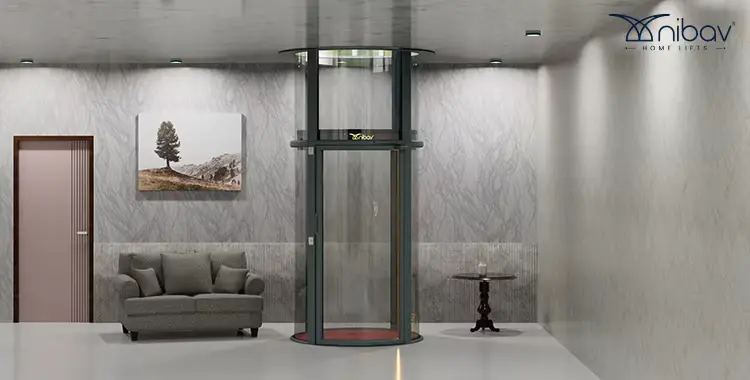
Beyond light, transparency changes how the lift is perceived within the home entirely. Rather than being hidden away or treated as something to disguise, a glass elevator can function as a genuine architectural feature, often positioned deliberately within an open stairwell or double-volume foyer where it becomes a visual focal point rather than an obstruction.
This shift also reflects a broader change in how homeowners think about accessibility features generally. Where a lift was once treated purely as a functional necessity to be minimised or hidden, it’s increasingly viewed the way a striking staircase or a feature wall might be, an opportunity to add character to the home rather than something to work around.
Villa Elevator Design: Positioning as an Architectural Statement
In a well-designed villa, the elevator increasingly isn’t tucked into a service corridor at all, it’s placed exactly where it will be seen. A villa elevator positioned within a grand entryway or alongside a floating staircase draws the eye upward, echoing the sense of scale and openness that villa architecture is often specifically designed to achieve.
This kind of positioning requires thinking about the lift early in the design process, not as an afterthought once the layout is finalised. Coordinating the elevator’s placement, cylinder finish, and cabin transparency alongside the rest of the home’s architecture from the outset produces a far more cohesive result than retrofitting a decision later.
Modern Home Elevator Materials and Finishes
Materials have evolved considerably to support this design shift. Reinforced polycarbonate used in modern home elevator cabins is significantly stronger than standard glass, often up to 250 times more resistant to impact, while still delivering the same visual transparency homeowners want. This combination of strength and clarity is what makes the glass-look design genuinely practical for daily residential use, not just a display piece.
Exterior cylinder finishes have expanded well beyond a single utilitarian colour too. Metallic, matte, and textured options now allow the lift’s outer structure to complement a villa’s existing material palette, whether that’s polished concrete, natural stone, or warm timber detailing.
Panoramic Elevator for Home Use: The Everyday Experience
Beyond the design statement, a panoramic elevator for home use genuinely changes the daily experience of riding between floors. Rather than a brief, enclosed trip in a dim steel box, a transparent cabin offers a 360-degree view and a sense of connection to the surrounding space, reducing the mildly claustrophobic feeling some traditional lifts can create.
This matters particularly for family members who may use the lift frequently throughout the day. A pleasant, light-filled ride encourages genuine, comfortable daily use rather than the lift feeling like a purely functional necessity to be tolerated.
It’s a detail that’s easy to underestimate until you’ve actually experienced both. A quick ride in an enclosed, dimly lit cabin versus a bright, transparent one reveals a noticeably different feeling, even over a journey lasting only a few seconds, and that daily accumulated impression matters more than most buyers initially expect.
Choosing a Glass Elevator That Matches Your Villa’s Architecture
Not every glass elevator suits every architectural style. Contemporary villas with clean, minimalist lines tend to pair well with sleek metallic or matte black cylinder finishes, while more traditional or colonial-influenced bungalows may call for warmer wood-tone or bronze detailing that echoes existing millwork rather than introducing a jarring contrast.
Involve your architect or interior designer in this decision early, and ask suppliers directly about the range of finish options available, since genuine design flexibility varies considerably between brands and shouldn’t be assumed universal.
It’s also worth considering how the elevator’s finish will age alongside the rest of the villa over time. A trend-driven colour choice that feels current today may look dated well before the rest of a well-built home does, whereas a more timeless metallic or natural tone tends to remain visually coherent with the property for decades.
Why Nibav’s Glass Elevators Are Built for Modern Villas
Nibav’s panoramic cabins use reinforced polycarbonate throughout, offering the transparency modern villa design demands without compromising on structural strength. Every model is TÜV NORD certified, and with more than 20 colour and finish combinations, the exterior cylinder can be tailored to complement a villa’s specific architectural palette rather than standing out as a generic addition.
With a physical experience centre in Kuala Lumpur, villa owners and their architects can see these finishes in person before finalising a design decision this significant.
What Sets Nibav Apart for Villa-Scale Glass Elevator Design
Nibav’s premium Series V range adds personalised HeartLine engraving and an illuminated SkyMark ceiling feature, turning the elevator into a genuine architectural signature rather than a purely functional glass box. Combined with a self-supporting, pitless installation that preserves a villa’s finished interior, and a 25-year CoreShield warranty on select models, Nibav proves that design ambition and long-term engineering confidence aren’t mutually exclusive.
Frequently Asked Questions
Are glass home elevators as safe as traditional steel-cabin lifts?
Yes, provided they use reinforced polycarbonate rather than standard glass. Quality models are up to 250 times stronger than conventional glass and include the same core safety systems as any certified home elevator.
Why are glass elevators becoming popular in villa design specifically?
Villas are often designed around open-plan layouts and abundant natural light, and a transparent cabin complements this architectural style far better than an opaque, enclosed traditional lift.
Can a glass elevator be customised to match a specific villa architectural style?
Yes. Exterior cylinder finishes range from metallic and matte to warmer wood-tone options, allowing the lift to complement anything from a contemporary minimalist villa to a more traditional bungalow.
Does a panoramic elevator cost more than a standard enclosed lift?
It can, depending on cabin materials and finish level, though self-supporting, pitless installation often offsets this by avoiding the structural costs traditional systems require.
Should I involve my architect when choosing a villa elevator?
Yes, ideally early in the design process, so the elevator’s placement, cylinder finish, and cabin transparency can be coordinated with the rest of the home’s architecture from the outset.

Jason Tan
Great article with practical information. I particularly liked the discussion on finishes, transparency and architectural placement. These are important factors to consider when choosing a lift for a luxury home.
Kavitha Devi
The combination of functionality and aesthetics makes glass home elevators quite appealing. The article gives a clear idea of how they can complement both modern and traditional homes.
Siti Nurhaliza
I found the installation information interesting, especially the self-supporting and pitless design. This could be useful for homeowners who want to add a lift without major structural changes.
Lee Wei Ming
Very informative article. The explanation about reinforced polycarbonate and the difference between traditional glass and modern transparent lift cabins was particularly useful.
Aina Syafiqah
The section about matching the elevator finish with the villas architecture was very helpful. Having different finishes makes it easier to choose something that suits the overall house design.
Ahmad Faiz
Really interesting article. I like how the glass elevator can become part of the villas interior design instead of looking like a separate structure. The panoramic concept is especially attractive.