
 By Nadia Khalis on August 13, 2026 at 6:46 am |



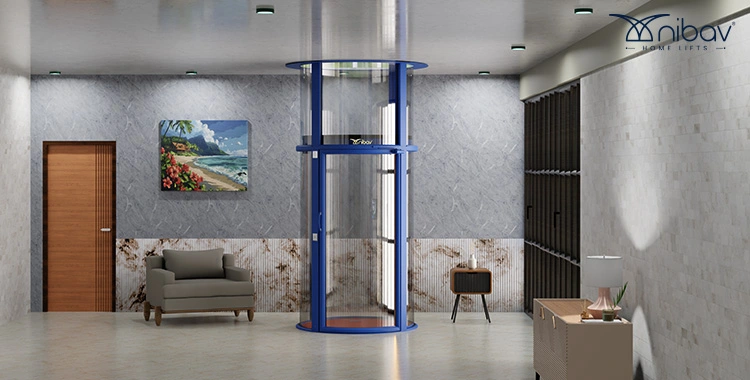
Home Lift for Elderly and Wheelchair Users in Malaysia
Malaysian homes weren’t built with ageing in mind. Most landed properties, from Petaling Jaya terraces to Penang bungalows, were designed decades ago around families who could climb stairs easily, long before anyone thought about wheelchair access or a parent’s declining mobility. Now that reality has caught up, and a growing number of Malaysian households are facing the same dilemma: a loved one who can no longer safely manage the stairs, and a house that was never designed for anything else.
The frustration builds quickly once you start researching. Some suppliers only sell commercial-grade elevators unsuited to a home. Others quote installation timelines stretching past three months, with a pit dug into your ground floor and a machine room eating into space you don’t have to spare. And for many families dealing with strata rules in a condominium, or simply a tight terrace house footprint, a conventional lift installation isn’t just expensive, it’s often physically impossible.
Fortunately, the market has shifted. A properly designed home lift for seniors no longer requires the disruptive construction Malaysian homeowners used to dread. Self-supporting, air-driven lift technology now makes it realistic to add safe, wheelchair-compatible vertical access to almost any home in the country, often within a matter of days. This guide covers exactly what to look for.
Table of Contents
- Why a Home Lift for Seniors Matters More in Malaysia’s Landed Homes
- What Makes Elder-Friendly Home Lifts Different From a Standard Lift
- Wheelchair-Compatible Home Lifts and Malaysia’s Climate Considerations
- Home Lift for Aging Adults: Installation Realities for Malaysian Properties
- Choosing a Local Supplier for Your Home Lift
- Why Malaysian Families Choose Nibav for Home Lifts
- What Makes Nibav’s Home Lifts Ideal for Seniors and Wheelchair Users
- Frequently Asked Questions
Why a Home Lift for Seniors Matters More in Malaysia’s Landed Homes
Most Malaysian landed homes, whether a double-storey terrace in Klang Valley or an older bungalow in Ipoh, place bedrooms upstairs and living spaces downstairs. That layout works fine until stairs become a daily hazard rather than a minor inconvenience. Falls on stairs are one of the leading causes of injury among older adults, and the risk only increases when a family member also needs a wheelchair or walking frame.
Unlike a stairlift, which only carries a seated passenger up a single flight, a proper home lift for seniors moves a full wheelchair, a caregiver, and any mobility equipment between floors safely and independently. For many Malaysian families, this single addition is the difference between an elderly parent staying in the family home they’ve lived in for decades, or having to move into a single-storey property or care facility.
What Makes Elder-Friendly Home Lifts Different From a Standard Lift
Not every lift marketed to homeowners is genuinely built with elderly or wheelchair users in mind. Elder-friendly home lifts share a few defining features: a wide, step-free entry with no raised threshold to trip over, precise floor levelling so there’s no gap or step between the cabin and the landing, and simple, large controls that don’t require fine motor precision to operate.
Cabin size matters just as much. A lift that technically fits a wheelchair but leaves no room for a caregiver to assist isn’t practical for daily use. Look for an internal cabin diameter of at least 1,100 mm to 1,200 mm, which comfortably accommodates both the wheelchair and an accompanying family member or carer.
Good lighting, non-slip flooring, and a grab handle at a comfortable height round out the essentials. These details might seem minor individually, but together they determine whether the lift genuinely makes daily life easier or simply becomes another obstacle.
Wheelchair-Compatible Home Lifts and Malaysia’s Climate Considerations
Malaysia’s tropical humidity and heavy monsoon rains put extra demands on any home fixture, and a lift is no exception. Wheelchair-compatible home lifts installed here should use corrosion-resistant materials and finishes designed to withstand consistently high humidity without degrading over time.
Air-driven lifts have a practical advantage in this climate. Because they use a sealed pneumatic system rather than exposed hydraulic fluid and cables, there’s less exposure to the moisture-related wear that can affect older lift technologies over years of Malaysian weather. It’s still worth asking any supplier directly about their materials and warranty terms for humid, high-rainfall conditions before committing.
Ventilation and cabin sealing also deserve a mention. A well-built cabin should keep out dust and moisture during heavy rain without trapping condensation inside, which over time can affect both comfort and the longevity of internal components such as the touchscreen and lighting fixtures.
Home Lift for Aging Adults: Installation Realities for Malaysian Properties
This is where many families are pleasantly surprised. A traditional hydraulic lift needs a pit dug below floor level and a separate machine room, which is often structurally impossible in a Malaysian terrace house or a strata-titled condominium unit without extensive, costly approval processes.
A self-supporting, pneumatic home lift for aging adults sidesteps almost all of that. It typically requires only a flat floor, a single-phase power connection, and roughly one square metre of clear space, with no pit and no dedicated machine room. Most installations are completed within four to five working days once the site is ready, a dramatic difference from the weeks or months a conventional lift installation demands.
For homeowners in condominiums or gated communities, it’s still worth checking with your management corporation or joint management body about any approval requirements before installation, even though the structural impact of a self-supporting lift is minimal compared to traditional systems.
Power supply is another practical detail worth confirming early. Most pneumatic home lifts run on a standard single-phase supply, similar to a large household appliance, so it’s rarely necessary to upgrade your home’s electrical wiring. A quick check by your chosen installer during the site visit will confirm whether your existing setup is sufficient or whether a minor electrical adjustment is needed first.
Choosing a Local Supplier for Your Home Lift
Where you buy matters almost as much as what you buy. A home lift is a long-term investment your family will rely on daily, so after-sales support isn’t optional. Look for a supplier with an established local presence in Malaysia, ideally with a showroom you can visit in person and technicians based locally rather than flown in from overseas when something needs servicing.
Ask specifically about warranty coverage on the motor and safety systems, typical response times for a service call, and whether spare parts are stocked locally. A lift that breaks down and takes weeks to repair because parts need to be imported isn’t just an inconvenience, it can genuinely isolate an elderly or wheelchair-using family member from parts of their own home during the wait.
Finally, ask for references or reviews from other Malaysian homeowners, ideally ones with a similar property type to yours. A supplier with a strong track record installing lifts in terrace houses, semi-detached homes, and condominiums across Malaysia will be far better equipped to handle the specifics of your property than one without local installation experience.
Why Malaysian Families Choose Nibav for Home Lifts
Nibav operates its own experience centre in Wangsa Maju, Kuala Lumpur, and has installed lifts in more than 10,000 satisfied homes across Malaysia and beyond, giving local families a supplier they can visit, question, and see in person before committing, rather than buying sight unseen from an overseas catalogue. Every lift is TÜV NORD certified and produced under ISO-certified manufacturing standards, so Malaysian homeowners aren’t relying on brochure claims alone when it comes to safety.
That local presence also means faster response times when something needs attention. For a family depending on a lift for an elderly parent’s daily mobility, having technicians based in Malaysia rather than overseas can make the difference between a same-week repair and a stressful, weeks-long wait for parts.
What Makes Nibav’s Home Lifts Ideal for Seniors and Wheelchair Users
Nibav’s range includes models with internal cabin diameters up to 1,240 mm, built specifically to fit a wheelchair and an accompanying caregiver comfortably, along with wide automatic doors and step-free entry. Precision floor levelling, non-slip flooring, and grab handles come as standard, not as optional upgrades tacked on for an extra fee.
Because every model is self-supporting and needs no pit or machine room, most Malaysian homes, including terrace houses, semi-detached properties, and select condominium units, can accommodate a Nibav lift within 4 to 5 working days of installation, with minimal disruption to the household during the process.
Frequently Asked Questions
Can a home lift for seniors be installed in a Malaysian terrace house?
Yes, particularly with self-supporting, pneumatic lift systems that need no pit or machine room. Most terrace houses have enough clear floor space in a stair void or corner to accommodate one.
Is a wheelchair-compatible home lift suitable for condominiums in Malaysia?
Generally yes, though it’s advisable to check with your management corporation regarding approval requirements before installation, even though the structural footprint is minimal compared to traditional lifts.
How much does a home lift for aging adults cost in Malaysia?
Costs depend on the model, number of floors, and finishes, but self-supporting vacuum lifts are generally more affordable overall than hydraulic systems once civil work is factored in.
How long does installation take for elder-friendly home lifts in Malaysia?
Most modern pneumatic lifts can be installed within four to five working days on a prepared site, far faster than the weeks or months required for a traditional hydraulic lift.
Do home lifts in Malaysia need regular maintenance?
Yes, though pneumatic systems typically require less maintenance than hydraulic lifts due to having fewer moving parts and no hydraulic fluid to service or replace.

Siti Nur Amira
The section about elderly parents and stair safety is especially helpful. A home lift seems like a practical solution for families living in double-storey houses.
Tan Mei Ling
Very useful guide for anyone considering a lift for an elderly family member. I especially liked the explanation about step-free access and cabin space.
Lee Jia Hui
The information about installing a home lift without a pit or machine room was interesting. This could be a good option for existing Malaysian homes.
Benny Jason
The information about Malaysian homes, especially terrace houses, makes this guide very relatable. Good points about space and installation requirements.
Ravi Kumar
I liked the clear explanation of wheelchair compatibility and caregiver space. These are important details that homeowners should consider before making a decision.
Mohamed Rizwan
This is a practical and easy-to-understand guide. The FAQ section answers several questions that homeowners are likely to have before installing a lift.