
 By Nadia Khalis on August 17, 2026 at 6:20 am |



Are Residential Elevators Safe for Pets?
You’ve decided a residential elevator makes sense for your multi-storey home, but there’s a worry nagging at the back of your mind: what happens when your dog or cat is anywhere near it? Pets don’t understand mechanical doors, sensors, or safety protocols the way people do, and the idea of a curious cat darting into a closing door, or a nervous dog panicking mid-ride, is enough to make any pet owner hesitate.
That hesitation is fair. Not every lift on the market was designed with animals in mind, and a poorly designed door mechanism, a gap between the cabin and the landing, or a lift that moves abruptly can genuinely pose a risk to a small or anxious pet. Choosing the wrong model, or assuming any elevator is automatically pet-safe, could put a much-loved family member at risk.
The reassuring reality is that a well-designed, pet friendly residential elevator addresses these exact concerns through specific safety features, not luck. This guide walks through what actually makes a residential elevator safe for pets, and what to check before you install one in a home shared with animals.
Table of Contents
- What Makes a Residential Elevator Genuinely Pet Friendly
- Home Elevator Safety Features That Matter Most for Households With Animals
- Pet Friendly Residential Elevator Design: Training Your Pet to Use It Safely
- Residential Elevator Cost Considerations for Pet-Friendly Features
- When to Keep Pets Separate From the Elevator
- Why Nibav’s Residential Elevators Are a Trusted Choice for Pet Owners
- What Sets Nibav Apart for Pet-Friendly Homes
- Frequently Asked Questions
What Makes a Residential Elevator Genuinely Pet Friendly
A pet friendly residential elevator starts with door and sensor design. Overload and obstruction sensors that detect movement or a blockage in the doorway are essential, stopping the door from closing on a pet that dashes in unexpectedly. Doors that move slowly and predictably, rather than snapping shut quickly, give a pet time to clear the entry safely, and give an owner a moment to react if needed.
Floor levelling accuracy matters here too, just as it does for elderly or wheelchair-using passengers. A gap between the cabin floor and the landing isn’t just a tripping hazard for people; it’s something a small dog or cat can genuinely get a paw caught in in a moment of panic or curiosity.
Noise is another factor worth considering, particularly for anxious or noise-sensitive pets. A lift that operates with a loud mechanical clunk or a sudden hiss can be genuinely distressing for an animal with sensitive hearing, whereas a quieter, gradual operation tends to be far better tolerated over repeated daily use.
Home Elevator Safety Features That Matter Most for Households With Animals
Beyond doors and sensors, a few specific home elevator safety features are worth prioritising in a home with pets. A gentle, gradual start and stop reduces the sudden motion that can startle an animal riding inside, particularly important for nervous dogs or cats unfamiliar with the sensation of moving between floors.
A fully enclosed, transparent cabin, rather than an open platform lift, keeps pets safely contained during the ride rather than risking them jumping or falling. Non-slip flooring inside the cabin also matters more for pets than people might initially assume; a slippery surface can cause a startled animal to lose footing and panic further during the trip.
Pet Friendly Residential Elevator Design: Training Your Pet to Use It Safely
Even the safest lift benefits from a thoughtful introduction period. Most pets adjust to a residential elevator with patience and gradual exposure, rather than being expected to use it comfortably from day one. Start by letting your pet explore the stationary cabin with the door open, using treats and calm reassurance, before attempting an actual ride together.
For nervous animals, staying with them for the first several rides, rather than sending them up alone, helps build confidence in the process. Most pets adapt within a few weeks once they understand the routine and recognise it as a safe, normal part of moving through the home.
Cats and dogs tend to respond differently to this process, worth keeping in mind if your household has both. Dogs generally adapt faster with consistent routine and positive reinforcement, while cats, being naturally more independent and sometimes more cautious of enclosed moving spaces, may take longer and benefit from simply being allowed to approach the lift on their own terms rather than being coaxed on a fixed schedule.
Residential Elevator Cost Considerations for Pet-Friendly Features
Residential elevator cost doesn’t necessarily increase significantly to accommodate pet-friendly features, since many of the relevant safety systems, including obstruction sensors, precision floor levelling, and enclosed cabin design, are standard features on quality models rather than pet-specific add-ons. That said, it’s worth confirming these features are included as standard rather than assuming every model on the market has them.
When comparing residential elevator cost between providers, ask specifically about door sensor sensitivity and floor levelling accuracy if pet safety is a priority for your household, since these details aren’t always highlighted in general product marketing focused on human passengers.
When to Keep Pets Separate From the Elevator
Even with a well-designed, pet friendly residential elevator, there are situations where keeping pets separate from the lift makes sense, at least initially. Very young puppies or kittens, animals with significant anxiety around enclosed spaces, or pets recovering from injury may need more time, or in some cases permanent separation, from independent elevator use. A residential elevator should support your household’s routine, not force every pet into using it before they’re genuinely ready.
If you have multiple pets, consider whether they’re comfortable riding together or should be introduced to the lift separately at first. Some animals become more anxious in a confined space when sharing it with another pet, particularly if there’s any existing tension between them, so a phased introduction is often safer than assuming they’ll simply work it out together.
Why Nibav’s Residential Elevators Are a Trusted Choice for Pet Owners
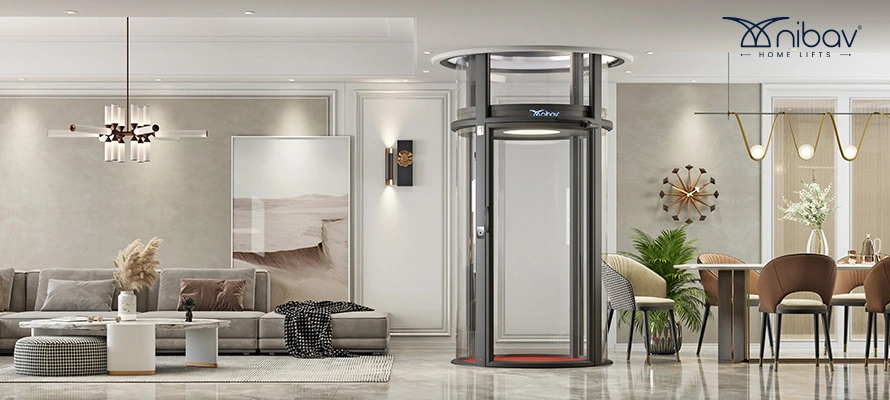
Nibav’s transparent, fully enclosed cabin design keeps pets safely contained throughout the ride, while overload and obstruction sensors, standard across the range, prevent the doors from closing on a pet unexpectedly entering the cabin. Every model is TÜV NORD certified, giving pet-owning households confidence that safety engineering has been independently verified rather than simply claimed.
With a physical experience centre in Kuala Lumpur, Nibav also allows pet owners to see the door mechanism and cabin design in person, a genuinely useful way to judge pet-friendliness before installation rather than relying on specifications alone.
What Sets Nibav Apart for Pet-Friendly Homes
Nibav’s precision landing technology ensures no gap forms between the cabin and the floor on arrival, removing a real hazard for small pets that traditional lifts can sometimes present. Non-slip flooring and a gentle, gradual ride come standard, reducing the startle response that can make a nervous animal wary of using the lift altogether. Combined with a self-supporting design that installs within four to five working days, Nibav makes it straightforward to add safe, pet-friendly vertical access to a multi-storey Malaysian home.
Frequently Asked Questions
Can I let my dog or cat ride in a residential elevator alone?
Many pets can ride independently once trained and comfortable with the process, though it’s advisable to supervise the first several rides and ensure the model includes obstruction sensors and precision floor levelling for safety.
What home elevator safety features matter most for pets?
Obstruction and overload sensors, precise floor levelling with no landing gap, a fully enclosed cabin, and a gentle start-and-stop motion are the most important features for pet safety.
Does a pet friendly residential elevator cost more than a standard model?
Not significantly. Most relevant safety features are standard on quality residential elevators rather than pet-specific upgrades, though it’s worth confirming this with your chosen supplier.
How do I train my pet to use a home elevator safely?
Start with the cabin stationary and the door open, using treats and calm reassurance, then accompany your pet on initial rides before allowing independent use once they’re comfortable.
Are all pets suitable for using a residential elevator?
Most pets adapt well with patience, but very young animals, those with significant anxiety, or pets recovering from injury may need extra time or supervised use rather than immediate independent access.

Yap Xin Hui
Great article for anyone living with cats or dogs. I found the practical tips about introducing pets to the elevator especially valuable.
Kavitha Raj
Very useful and easy to understand. The checklist of safety features gives homeowners some good points to consider when comparing residential elevators.
Richard
A thoughtful article that addresses a concern many pet owners may have when planning a multi-storey home.
Nadia Ismail
I really enjoyed reading this. The combination of safety features and practical pet-training advice makes the article very useful.
Basheer Saeed
The article gives a clear overview of what homeowners should check before choosing an elevator for a pet-friendly home.
Nur Syafiqah
The gradual training approach is a great tip. Using treats and reassurance sounds like a good way to help pets become comfortable.